Why Polyester Might Be Affecting Your Hormones — And Why Silk Is a Better Alternative
Most of us wear polyester every day without thinking twice. It’s cheap, durable, wrinkle-resistant and easy to care for. But a growing body of research suggests that this everyday fabric may come with hidden downsides — particularly when it sits against our skin for hours at a time.
At Silkism, we focus on natural fibres like silk because of how they interact with the body. Here’s what studies have found about polyester, and how natural alternatives compare.
Hormone-Disrupting Chemicals in Polyester
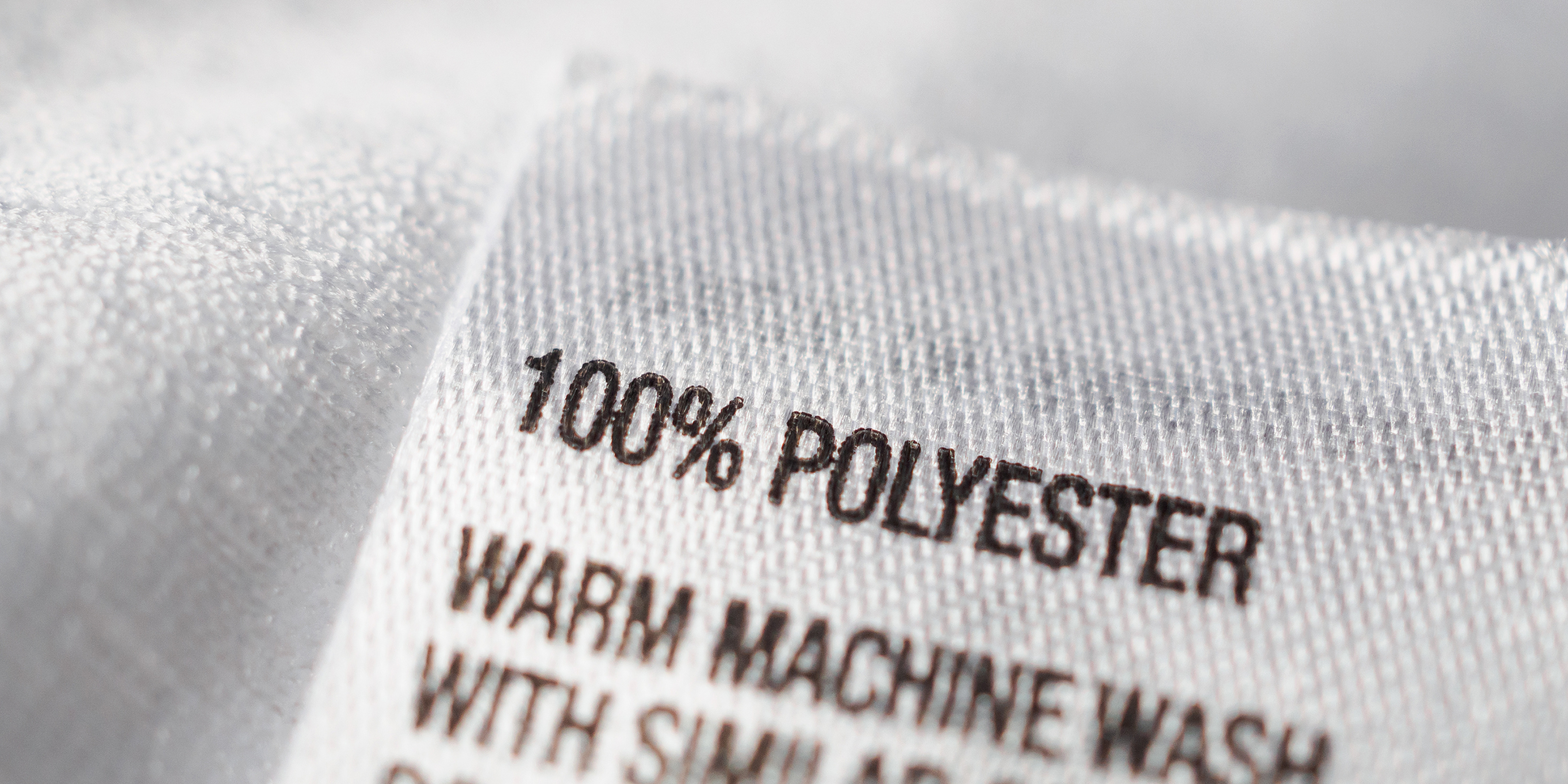
Several studies have detected higher levels of certain hormone-disrupting chemicals — including bisphenols (such as BPA and BPS) and phthalates — in polyester clothing compared to natural fabrics.
These substances can transfer from the fabric onto the skin, especially when we sweat. Once absorbed, they have the potential to interfere with the body’s natural hormone balance. Research has found these chemicals more frequently, and sometimes at higher concentrations, in polyester items. Some studies looking at children’s and pregnant women’s clothing reported the highest levels in polyester garments.
While not every polyester item will contain high amounts, the pattern across multiple studies raises a reasonable concern about repeated, long-term skin contact.
Polyester and Body Odour
Anyone who has worn a polyester workout top or blouse on a warm day has probably noticed another issue: it holds onto odour.
Research consistently shows that polyester retains and releases body odour more strongly than natural fibres such as cotton, wool, linen and silk. The fibre’s chemistry tends to attract and hold onto the oily compounds that contribute to smell, making them harder to wash out completely. Natural fibres generally perform better in this regard.
Comfort and Breathability
Polyester is often marketed as moisture-wicking, and engineered versions can work well for intense exercise. In everyday wear, however, many people find it less comfortable. It has very low natural moisture absorption and can trap heat and humidity against the skin.
In contrast, natural fibres behave differently:
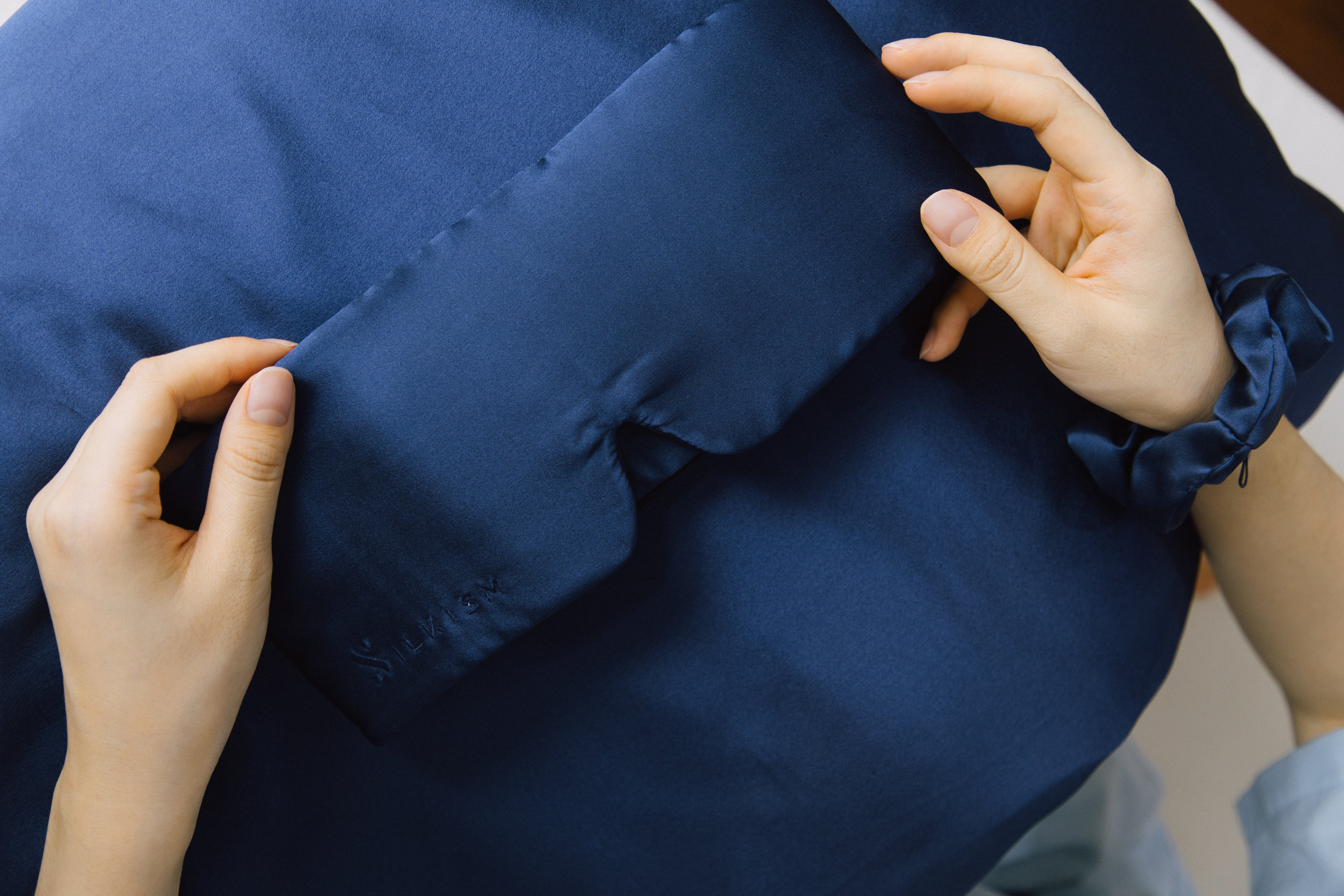
- Silk is naturally temperature-regulating. It helps keep you cooler in warm conditions and provides a light insulating effect when it’s cooler. It is also exceptionally smooth, which reduces friction against the skin and hair.
- Linen offers excellent breathability and moisture management, making it ideal in hot or humid weather.
- Both fibres generally require fewer synthetic finishes than polyester.
Why Silk Stands Out
Silk has been worn next to the skin for thousands of years for good reason. Beyond its luxurious feel, it offers practical benefits that align with what research suggests we should look for in clothing that stays in close contact with the body:
- Smooth surface that is gentle on skin and hair
- Natural temperature regulation
- Good moisture management without feeling damp
- Lower likelihood of residual synthetic chemical finishes compared with many polyester garments
For pieces that spend the most time against your skin — sleepwear, pillowcases, underwear, and base layers — choosing silk can be a meaningful upgrade.
Small Changes That Make a Difference
You don’t need to replace your entire wardrobe overnight. A practical approach is to prioritise the items that have prolonged skin contact:
- Switch sleepwear and pillowcases to silk
- Choose natural fibres for underwear and tops worn closest to the body
- Opt for linen or silk in warmer weather when breathability matters most
These changes reduce exposure to the issues associated with polyester while giving your skin a more comfortable environment.
Final Thoughts
Polyester remains a highly functional fabric for certain uses. However, when it comes to clothing that sits against your skin for many hours, the combination of potential chemical exposure, odour retention and reduced breathability makes natural fibres — particularly silk — a compelling alternative.
At Silkism, we believe what you wear while you sleep and rest should support your body, not work against it. That’s why we focus on pure mulberry silk pieces designed for comfort, skin health and better rest.
Sources:
- Xue, J., Liu, W., & Kannan, K. (2017). Bisphenols, Benzophenones, and Bisphenol A Diglycidyl Ethers in Textiles and Infant Clothing. Environmental Science & Technology.
- Dostberg, A. et al. (2026). Occurrence and Washout of Health-Hazardous Chemicals in Children’s Clothing. Contact Dermatitis.
- Aldegunde-Louzao, N. et al. (2024). Phthalate esters in clothing: A review. Environmental Toxicology and Pharmacology.
- McQueen, R.H. et al. studies on fabric odour retention (University of Alberta / University of Otago)